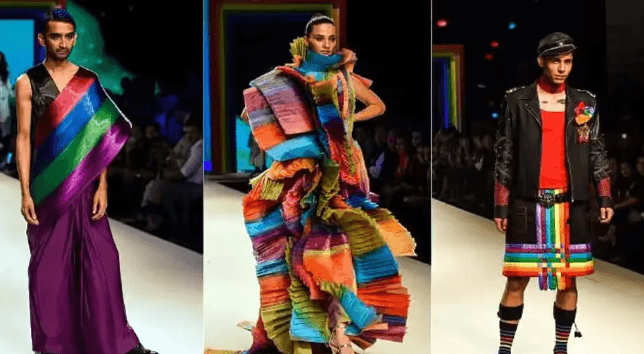

Fashion operates as a mirror of the self, codifying values, affiliations, and mood through deliberate styling choices. Silhouettes, colors, and textures act as immediate signals, shaping perception and self-conception. Subcultures and brands whisper belonging or resistance within social networks. A personal wardrobe can trace a coherent narrative from restraint to audacity, balancing ethical sourcing with craft and timeliness. The result invites inspection, inviting the reader to consider what their own choices imply—and what remains unsaid.
How Fashion Signals Identity: The Core Idea
Fashion signals identity by encoding and communicating socially meaningful distinctions through deliberate choices in garments, accessories, and styling. The core idea treats attire as a language of intent, where individuals select elements to project values, affiliations, and mood. This framework honors freedom of expression, while revealing how minimalist tailoring, bold accessories, neon athleisure, and vintage denim map personal stance within social contexts.
The Visible Cues: Silhouettes, Colors, and Textures That Convey Self
Silhouettes, color palettes, and textures function as the most immediate visual data through which identity is read in sartorial choices. The analysis notes silhouettes contrast to suggest personality shifts, textures layering to imply depth, and colors palettes to frame mood and intention. Patterns symbolism emerges as a quiet grammar, interpreting contextual desires for freedom within structured social expectations.
Subcultures, Status, and Belonging: Style as Social Navigation
Subcultures, status, and belonging shape how style functions as social navigation, revealing hierarchies, affinities, and boundaries within a shared field of meaning. The analysis traces subculture dynamics as iterative cues, where ensembles, fabrics, and silhouettes act as language of grouping.
Belonging signals emerge through conformity and deviation, articulating power, kinship, and the negotiation of identity within cultural ecosystems.
Crafting Your Personal Narrative Through Wardrobe Choices
In constructing a personal narrative through wardrobe, individuals translate inner intent into outward signals, shaping identity as a coherent story rather than a mere assemblage of items.
The analysis maps minimalist wardrobes and timeless silhouettes against current trends, balancing ethical sourcing with luxury signaling.
Capsule closets, functional design, and artisanal techniques fuse, while gendered presentation and nonbinary styling redefine heritage branding and new wave logos for maximum expressiveness.
See also: The Benefits of Using Crypto Payments
Frequently Asked Questions
How Does Fashion Influence Self-Perception Over Time?
The question suggests fashion shapes self-perception gradually, shaping a confidence trajectory as tastes evolve. It records style nostalgia as markers, indicating identity shifts; over time, outward choices accompany inner recalibrations, enabling freer interpretation of self and broader personal narrative.
Can Wardrobe Changes Alter Personal Identity Meanings?
Wardrobe changes can influence meaning, as ensemble evolution reframes self-narratives and identity signaling shifts. The analysis suggests flexible expressions allow individuals to renegotiate roles, statuses, and aspirations within contexts that prize autonomy and interpretive freedom.
What Role Do Body Image Goals Play in Style Choices?
Like a compass guiding ships at dawn, body image goals influence style choices, shaping identity signaling and personal authenticity within wardrobes; they frame how individuals pursue style goals while balancing freedom to express, resist, or redefine self-perception.
How Do Cultural Contexts Reshape Fashion’s Identity Signals?
Cultural contexts reshape fashion’s identity signals by reframing what counts as cultural symbolism and regional aesthetics; they recalibrate meanings, norms, and values, revealing how communities encode status, memory, and belonging while inviting interpretive, freedom-embracing engagement.
Which Ethical Considerations Shape Authentic Personal Style?
Ethical considerations shape authentic personal style through conscientious choices, challenging creators and consumers alike. They emphasize ethical sourcing and sustainable materials, guiding decisions with transparency, accountability, and context, enabling freedom-seeking individuals to align apparel with responsible, reflective identities.
Conclusion
Fashion functions as a map of identity, where choice signals stance, history, and aspiration. Silhouettes, colors, and textures translate internal narratives into external posture, while subcultural affiliations mark boundaries and belonging. The wardrobe becomes a social instrument, negotiating status, taste, and values within a broader ecosystem. A personal arc emerges from deliberate curation, balancing minimalism with statement pieces. In this light, style is not vanity but a reflective practice—pulling threads of selfhood into a coherent, living portrait, and, inevitably, a thread in the social fabric. Break a leg.


 By
By