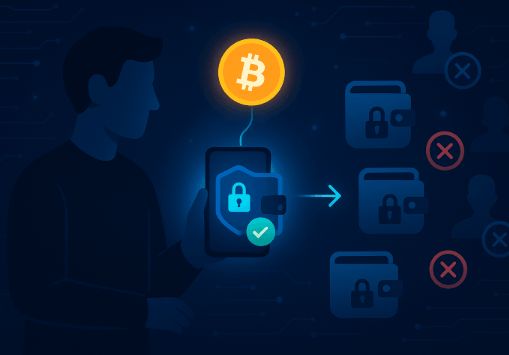

Crypto payments promise faster settlements and lower intermediary costs, delivering cheaper, more transparent transactions. Decentralized validation and cryptographic resilience bolster security while auditable trails support proactive risk management. Real-world use cases show improved cash flow for merchants and expanded access for the underbanked, alongside consumer autonomy through fee transparency. Practical, phased deployments and data-driven metrics offer scalable adoption with controlled risk, leaving a question about where these benefits align best and what signals will guide continued investment.
What Makes Crypto Payments Faster and Cheaper
Crypto payments tend to be faster and cheaper than traditional methods due to the streamlined digital settlement process and lower intermediary costs.
The analysis shows reduced processing times and fee transparency, though persistent risks exist.
Market data indicate faster block confirmations and competitive network fees, yet slow settlements and volatile pricing can arise during congestion, shaping a cautious, forward-looking adoption path.
How Crypto Enhances Payment Security and Control
The focus shifts to how crypto-based payment systems bolster security and user control, building on the prior discussion of faster, cheaper settlements.
Security benefits arise from decentralized validation, cryptographic resilience, and auditable trails, enabling proactive risk assessment.
Privacy auditing and robust key management underpin trust, while standardized protocols support transparent governance and forward-looking defenses against fraud, theft, and data exposure.
Real-World Use Cases: Merchants and Consumers Benefiting Today
Across a growing range of sectors, real-world use cases show how crypto payments deliver tangible benefits to both merchants and consumers, with faster settlement cycles, reduced cross-border costs, and enhanced access for underbanked populations. Analytics indicate rising crypto adoption among merchants, while consumer adoption accelerates through transparent fees, improved checkout experiences, and diversified payment options, enabling data-driven growth and financial autonomy.
Practical Steps to Adopt Crypto Payments on a Budget
Practical steps to adopt crypto payments on a budget build on the momentum from real-world use cases by focusing on low-cost, scalable approaches that minimize upfront risk. This analysis evaluates affordable onboarding pathways and budget conscious integration, emphasizing modular tooling, vendor comparisons, and phased pilots. Data-driven metrics predict adoption velocity, cost per transaction, and resilience, guiding restrained, freedom-focused deployment. Continuous optimization follows.
See also: The Limits of Machine Intelligence
Frequently Asked Questions
How Do Tax Authorities Treat Crypto Payments for Businesses?
Tax authorities treat crypto payments for businesses as taxable at fair market value, requiring tax compliance and accurate regulatory reporting; future guidance shifts toward standardized reporting, transparent valuation, and cross-border coordination to reduce ambiguity and support freedom through clarity.
Can Crypto Payments Reduce Chargebacks for Merchants?
Crypto payments modestly reduce chargebacks via instant, verifiable settlements, yet irony lies in dependence on technology; chargeback mitigation hinges on merchants adapting. The analysis forecasts improved resilience, merchant adaptability, and data-driven strategy for forward-looking freedom-seeking audiences.
What Are the Privacy Implications for Customers?
Privacy concerns arise: customers face potential exposure of transaction patterns, while data minimization aims to limit collected details. Anonymity vs. traceability hinges on protocol design; security best practices and privacy-focused tools must guide data handling and user empowerment.
Which Cryptocurrencies Are Easiest for New Users to Adopt?
“Like a gentle dawn, onboarding ease signals momentum.” The easiest cryptocurrencies for new users are those with user friendly wallets and straightforward onboarding; consider tax considerations, merchant chargebacks, privacy implications, staffing needs, and a data-driven view of adoption trends.
Do Crypto Payments Require Specialized Technical Staff?
Crypto payments do not inherently require specialized staff; operations can be managed by existing IT teams. However, crypto security and blockchain fees demand dedicated oversight, governance, and monitoring to maintain risk controls and optimize transaction costs.
Conclusion
Crypto payments offer a clear path to faster settlements, lower costs, and enhanced security through decentralized validation and transparent audits. Data-driven pilots show improved cash flow for merchants and expanded consumer options, with measurable reductions in cross-border friction. As adoption scales via modular tooling and phased pilots, performance signals—settlement speed, fee transparency, and risk metrics—will guide governance and budgeting decisions. Will organizations embrace this trajectory to unlock resilient, inclusive financial ecosystems while maintaining rigorous controls and accountability?


 By
By